Like us on facebook
Follow us on Twitter
Follow us on Instagram
Follow us on Linkedin
review us on google

Supporting Better Circulation in Your Feet

Poor circulation in the feet can cause coldness, numbness, swelling, and fatigue that make daily movement uncomfortable. Improving blood flow begins with simple habits that encourage the vessels to work more efficiently. Regular movement helps tremendously, even gentle activities like walking, ankle rotations, or stretching throughout the day. These actions activate the muscles that naturally push blood back toward the heart. Warm water foot soaks can also provide temporary comfort by relaxing tight tissues. Wearing shoes that fit well, avoiding long periods of sitting or standing, and elevating your feet while resting can further support healthier flow. People who smoke, have diabetes, or live with vascular concerns may notice circulation improves when these underlying issues are better managed. Compression socks can be useful for some individuals, but they are not right for everyone. If you experience persistent coldness, color changes, or slow-healing wounds on your feet, it is suggested that you see a podiatrist for an evaluation and tailored care.

While poor circulation itself isn’t a condition; it is a symptom of another underlying health condition you may have. If you have any concerns with poor circulation in your feet contact one of our podiatrists of Ankle N Foot. our doctors will treat your foot and ankle needs.

Poor Circulation in the Feet

Peripheral artery disease (PAD) can potentially lead to poor circulation in the lower extremities. PAD is a condition that causes the blood vessels and arteries to narrow. In a linked condition called atherosclerosis, the arteries stiffen up due to a buildup of plaque in the arteries and blood vessels. These two conditions can cause a decrease in the amount of blood that flows to your extremities, therefore resulting in pain.

Symptoms

Some of the most common symptoms of poor circulation are:

  • Numbness
  • Tingling
  • Throbbing or stinging pain in limbs
  • Pain
  • Muscle Cramps

Treatment for poor circulation often depends on the underlying condition that causes it. Methods for treatment may include insulin for diabetes, special exercise programs, surgery for varicose veins, or compression socks for swollen legs.

As always, see a podiatrist as he or she will assist in finding a regimen that suits you. A podiatrist can also prescribe you any needed medication. 

If you have any questions, please feel free to contact our offices located in Chicago, Elmhurst, Bartlett, IL and Chicago, IL . We offer the newest diagnostic and treatment technologies for all your foot care needs.

Read more about Causes Symptoms and Treatment for Poor Circulation in the Feet

It's Time for Beautiful Feet

You don't need an excuse to have beautiful nails. Step outside without worrying about the appearance of your feet.

Causes of Foot Cramps

Foot cramps are sudden, involuntary contractions of the muscles in the foot that can cause sharp pain and discomfort. They often occur due to wearing tight or poorly fitting shoes, dehydration, overexertion during physical activity, or low levels of essential minerals such as potassium, calcium, or magnesium. Symptoms include a sudden tightening or knotting of the foot muscles, stiffness, and difficulty moving the affected area. Frequent cramps may indicate underlying issues with circulation, nerve function, or muscle balance. A podiatrist can evaluate the cause of foot cramps, recommend stretching and strengthening exercises, suggest proper footwear, and provide guidance on nutrition and hydration to reduce occurrences. If you have developed foot cramps, it is suggested that you schedule an appointment with a podiatrist to relieve pain and maintain healthy, comfortable feet.

Foot Pain

Foot pain can be extremely painful and debilitating. If you have a foot pain, consult with one of our podiatrists from Ankle N Foot. our doctors will assess your condition and provide you with quality foot and ankle treatment.

Causes

Foot pain is a very broad condition that could be caused by one or more ailments. The most common include:

  • Bunions
  • Hammertoes
  • Plantar Fasciitis
  • Bone Spurs
  • Corns
  • Tarsal Tunnel Syndrome
  • Ingrown Toenails
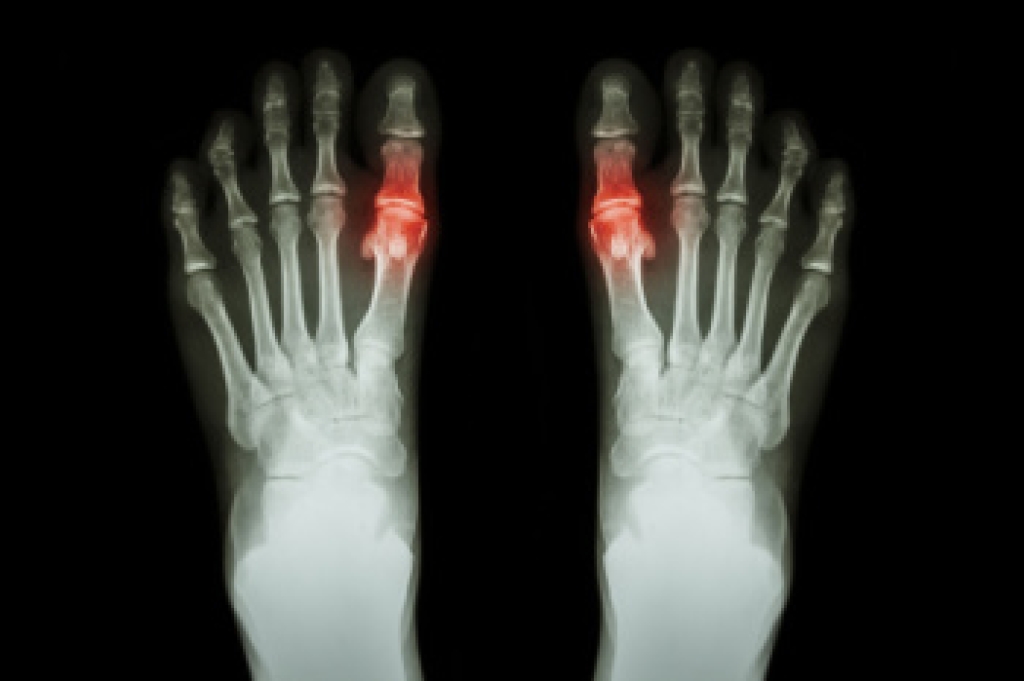
  • Arthritis (such as Gout, Rheumatoid, and Osteoarthritis)
  • Flat Feet
  • Injury (from stress fractures, broken toe, foot, ankle, Achilles tendon ruptures, and sprains)
  • And more

Diagnosis

To figure out the cause of foot pain, podiatrists utilize several different methods. This can range from simple visual inspections and sensation tests to X-rays and MRI scans. Prior medical history, family medical history, and any recent physical traumatic events will all be taken into consideration for a proper diagnosis.

Treatment

Treatment depends upon the cause of the foot pain. Whether it is resting, staying off the foot, or having surgery; podiatrists have a number of treatment options available for foot pain.

If you have any questions, please feel free to contact our offices located in Chicago, Elmhurst, Bartlett, IL and Chicago, IL . We offer the newest diagnostic and treatment technologies for all your foot care needs.

Read more about Foot Pain

How Tarsal Coalition Affects Children

Tarsal coalition occurs when two or more bones in a child’s foot grow together, which limits normal motion. This can cause stiffness, pain along the side or back of the foot, frequent ankle sprains, flat arches, and cramps or muscle spasms after activity. Although it is often congenital, many children begin to feel symptoms of tarsal coalition around ages eight to 15, when their bones harden and the fused area becomes less flexible. Some children may limp or have trouble walking on uneven ground because the affected foot does not move properly. Treatment depends on the severity of the condition and can involve supportive inserts, casting to rest the foot, or surgery to separate the bones and restore movement. If your child has symptoms of tarsal coalition, it is suggested that you make an appointment with a podiatrist for a diagnosis and treatment options.

Congenital foot problems require immediate attention to avoid future complications. If you have any concerns, contact one of our podiatrists of Ankle N Foot. our doctors can provide the care you need to keep you pain-free and on your feet.

Congenital foot problems are deformities affecting the feet, toes, and/or ankles that children are born with. Some of these conditions have a genetic cause while others just happen. Some specific foot ailments that children may be born with include clubfeet, polydactyly/macrodactyly, and cleft foot. There are several other foot anomalies that can occur congenitally. What all of these conditions have in common is that a child may experience difficulty walking or performing everyday activities, as well as trouble finding footwear that fits their foot deformity. Some of these conditions are more serious than others. Consulting with a podiatrist as early as possible will help in properly diagnosing a child’s foot condition while getting the necessary treatment underway.

What are Causes of Congenital Foot Problem?

A congenital foot problem is one that happens to a child at birth. These conditions can be caused by a genetic predisposition, developmental or positional abnormalities during gestation, or with no known cause.

What are Symptoms of Congenital Foot Problems?

Symptoms vary by the congenital condition. Symptoms may consist of the following:

  • Clubfoot, where tendons are shortened, bones are shaped differently, and the Achilles tendon is tight, causing the foot to point in and down. It is also possible for the soles of the feet to face each other.
  • Polydactyly, which usually consists of a nubbin or small lump of tissue without a bone, a toe that is partially formed but has no joints, or an extra toe.
  • Vertical talus, where the talus bone forms in the wrong position causing other bones in the foot to line up improperly, the front of the foot to point up, and the bottom of the foot to stiffen, with no arch, and to curve out.
  • Tarsal coalition, when there is an abnormal connection of two or more bones in the foot leading to severe, rigid flatfoot.
  • Cleft foot, where there are missing toes, a V-shaped cleft, and other anatomical differences.
  • Macrodactyly, when the toes are abnormally large due to overgrowth of the underlying bone or soft tissue.

Treatment and Prevention

While there is nothing one can do to prevent congenital foot problems, raising awareness and receiving neonatal screenings are important. Early detection by taking your child to a podiatrist leads to the best outcome possible.

If you have any questions, please feel free to contact our offices located in Chicago, Elmhurst, Bartlett, IL and Chicago, IL . We offer the newest diagnostic and treatment technologies for all your foot care needs.

Read more about Congenital Foot Problems

Supporting Foot Health to Prevent Falls in Older Adults

As people age, foot strength and stability play a major role in balance and mobility. Weakness in the toes and ankles can make walking less steady, increasing the risk of slips or falls. Many older adults also wear shoes that do not fit properly or lack support, further compromising safety. Strengthening the feet through simple exercises and choosing footwear designed for stability can make a significant difference in maintaining independence. Podiatrists can assess foot function, recommend balance-improving footwear, and design targeted exercise programs to build strength in the toes and arches. These steps are especially important when combined with care from other health professionals to support overall movement and confidence. If you have noticed changes in your balance or foot strength, it is suggested that you see a podiatrist for an evaluation and personalized care.

Proper foot care is something many older adults forget to consider. If you have any concerns about your feet and ankles, contact one of our podiatrists from Ankle N Foot. our doctors can provide the care you need to keep you pain-free and on your feet.

The Elderly and Their Feet

As we age we start to notice many changes in our body, but the elder population may not notice them right away. Medical conditions may prevent the elderly to take notice of their foot health right away. Poor vision is a lead contributor to not taking action for the elderly.

Common Conditions 

  • Neuropathy – can reduce feeling in the feet and can hide many life-threatening medical conditions.
  • Reduced flexibility – prevents the ability of proper toenail trimming, and foot cleaning. If left untreated, it may lead to further medical issues.
  • Foot sores – amongst the older population can be serious before they are discovered. Some of the problematic conditions they may face are:
  • Gouging toenails affecting nearby toe
  • Shoes that don’t fit properly
  • Pressure sores
  • Loss of circulation in legs & feet
  • Edema & swelling of feet and ankles

Susceptible Infections

Diabetes and poor circulation can cause general loss of sensitivity over the years, turning a simple cut into a serious issue.

If you have any questions, please feel free to contact our offices located in Chicago, Elmhurst, Bartlett, IL and Chicago, IL . We offer the newest diagnostic and treatment technologies for all your foot care needs.

Read more about Taking Care of Elderly Feet
scroll to top